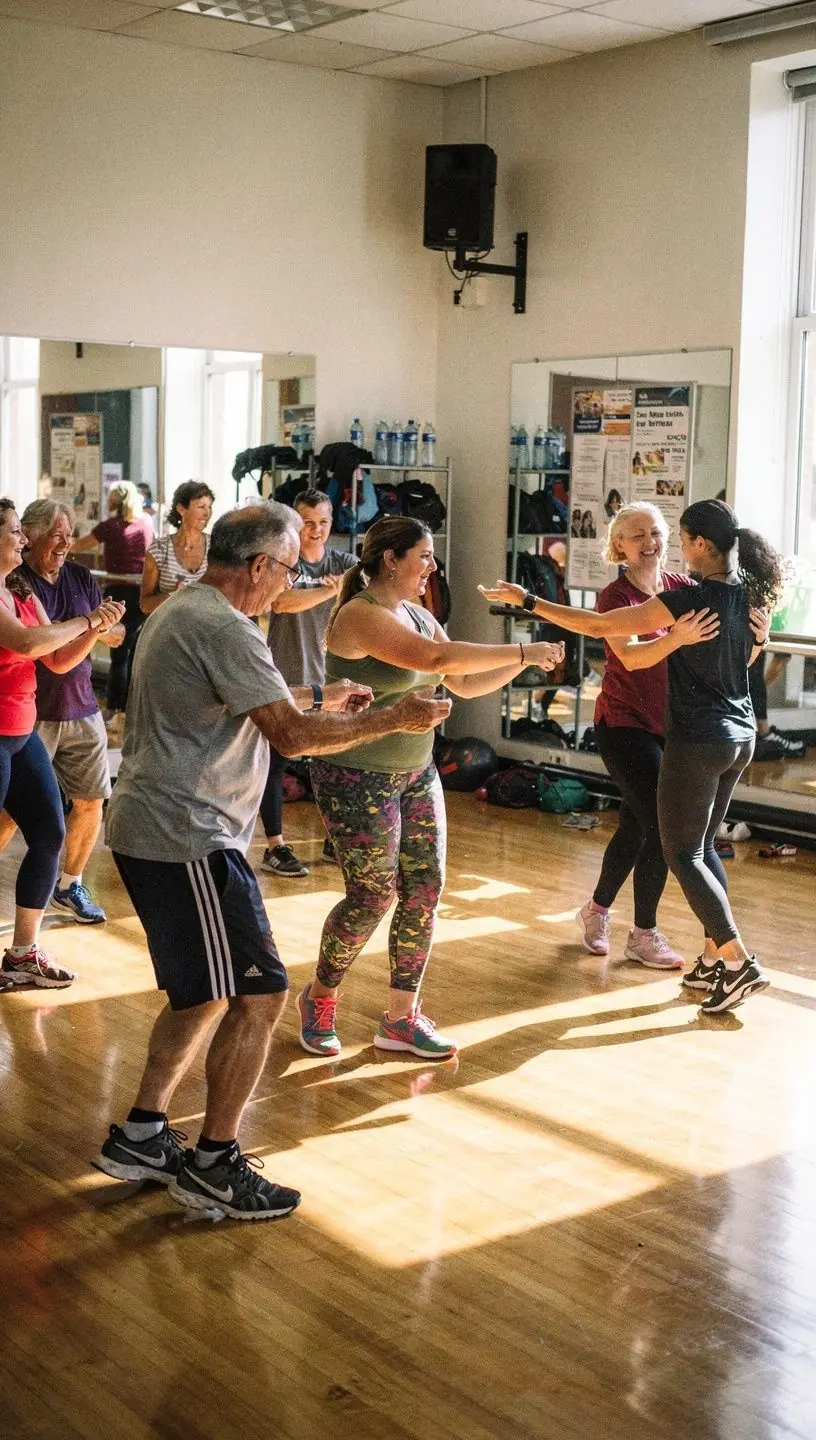
The Value of Feedback in Community Event Planning
In today's fast-paced society, community events such as meetups, games, and small-scale performances play an essential role in fostering social connections. However, the success of these events often relies on effective feedback mechanisms. This article explores the importance of feedback in community event planning, providing actionable insights for organizers.
Understanding the Importance of Feedback
Feedback is a critical aspect of any event planning process because it helps organizers refine their approach and enhance participant satisfaction. According to research conducted by the Event Marketing Institute, events that actively seek and implement feedback typically see an increase in attendee engagement and satisfaction, often by as much as 30%. This increase in engagement can be attributed to the fact that attendees feel their opinions are valued.

"Listening to your audience is not just a courtesy; it's a necessity that can significantly shape the success of your events." - Event Management Expert
How Feedback Can Be Collected
There are various methods for collecting feedback from event attendees, and many experts recommend a combination of these approaches to achieve comprehensive insights:
- Surveys: Post-event surveys are a reliable way to gather information about attendee experiences. Digital tools like SurveyMonkey allow for easily customizable questionnaires that can be distributed via email or social media.
- Focus Groups: Conducting focus groups after an event can provide in-depth qualitative feedback. These sessions typically involve a small group of participants discussing their experiences, which can reveal insights that surveys may overlook.
- Social Media Monitoring: Observing comments and interactions on social media platforms can be an effective way to gauge public sentiment regarding an event. Many users report that their initial impressions are often shared online, making it a valuable feedback source.
Implementing Feedback for Future Events
Implementing feedback into future event planning involves a few steps:
- Analyze the Data: Start by identifying common themes in the feedback. This may involve looking for frequently mentioned suggestions or complaints.
- Prioritize Changes: Not all feedback will be feasible to implement. Focus on suggestions that align with your event's goals and target audience. Many experts suggest prioritizing changes that can be realistically achieved within your budget.
- Communicate Changes: Once changes have been made, communicate these improvements to your community. This reinforces the idea that you value their input and are committed to enhancing their experience.
Acknowledging Limitations
While feedback is invaluable, organizers should be aware of its limitations. Collecting and analyzing feedback can be time-consuming, often requiring 2-4 weeks after the event to gather meaningful insights. Additionally, some feedback may not be actionable due to limited resources or time constraints. Therefore, setting clear expectations with your audience about what feedback can realistically influence is crucial.
Conclusion
In conclusion, feedback is a vital component of community event planning. By actively seeking input and implementing changes based on that feedback, organizers can create more engaging and enjoyable experiences for all participants. While there are challenges in collecting and applying feedback, the potential for increased satisfaction and community involvement makes it a worthwhile endeavor. Remember, in most cases, listening to your audience can lead to events that consistently meet their needs and expectations.
Learn More