Exploring the Role of Small Performances in Neighborhood Culture
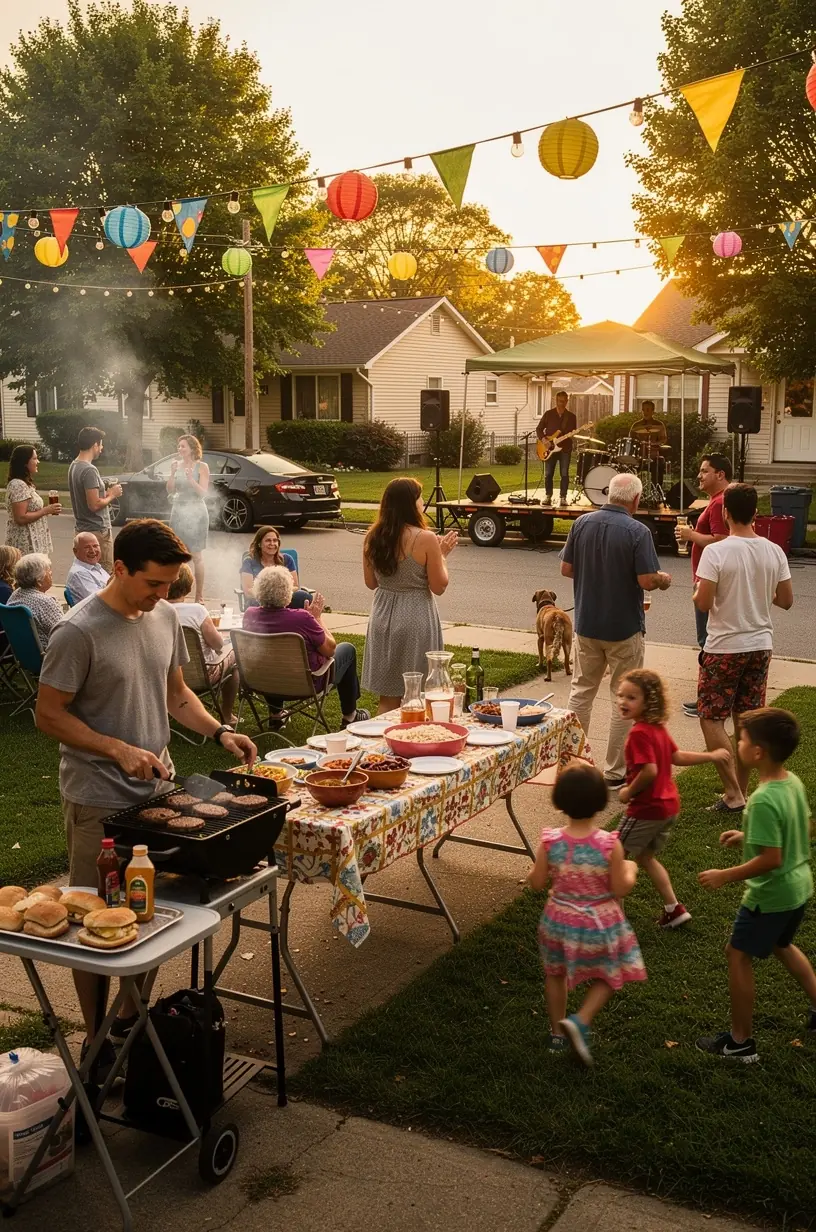
Small performances, such as local theater, poetry readings, and music gigs, play a significant role in shaping neighborhood culture across the United States. These events foster community engagement, promote local talent, and enrich cultural diversity. In this article, we’ll explore how these performances contribute to community dynamics and the factors that make them effective.
Understanding the Impact of Small Performances
Small performances are often characterized by their intimate settings and community-centric approach. According to research conducted by the National Endowment for the Arts, participation in community arts has been linked to increased social cohesion and a stronger sense of belonging. These performances typically resonate well with local audiences, creating a supportive atmosphere for both artists and attendees.
"Engaging with local culture through performances can enhance community ties and foster social interaction." - Cultural Research Institute
Benefits of Local Performances
Small-scale performances offer numerous benefits that extend beyond mere entertainment. Here are some key advantages:
- Community Engagement: These events often attract diverse groups of people, fostering interaction among community members who might not otherwise connect.
- Support for Local Artists: Small performances provide a platform for local talent, allowing artists to showcase their work and gain recognition within their community.
- Cultural Preservation: Local performances often reflect the unique cultural heritage of a neighborhood, helping to preserve and promote local traditions.
Creating Successful Small Performances
While the benefits of small performances are clear, organizing such events requires careful planning and consideration. Here are some strategies that may improve the effectiveness of these gatherings:
- Know Your Audience: Understanding the preferences and interests of the local community is crucial. Surveys and informal feedback can provide valuable insights into what types of performances are desired.
- Accessibility Matters: Small performances should be held in venues that are easily accessible to everyone, including individuals with disabilities. This inclusivity can significantly increase attendance.
- Collaborate with Local Organizations: Partnering with local schools, cultural institutions, or community groups can enhance visibility and foster a sense of ownership among community members.
Challenges to Consider
While small performances can invigorate a neighborhood, they also come with challenges. Organizers should be prepared for the following:
- Securing funding and resources can be a major hurdle, as many performances rely on community donations or small grants.
- Promoting events effectively is essential, which often requires dedicated marketing efforts and strategic outreach.
- Balancing the needs of performers and the audience can be challenging, as different groups may have varying expectations.
Conclusion
Small performances play a vital role in enhancing neighborhood culture by promoting community engagement, supporting local talent, and preserving cultural identity. Although organizing these events requires effort and careful planning, the potential benefits for the community are substantial. As neighborhoods continue to evolve, fostering small performances can help build stronger, more connected communities that celebrate creativity and diversity.
Learn More