Creating Inclusive Spaces for Diverse Community Events
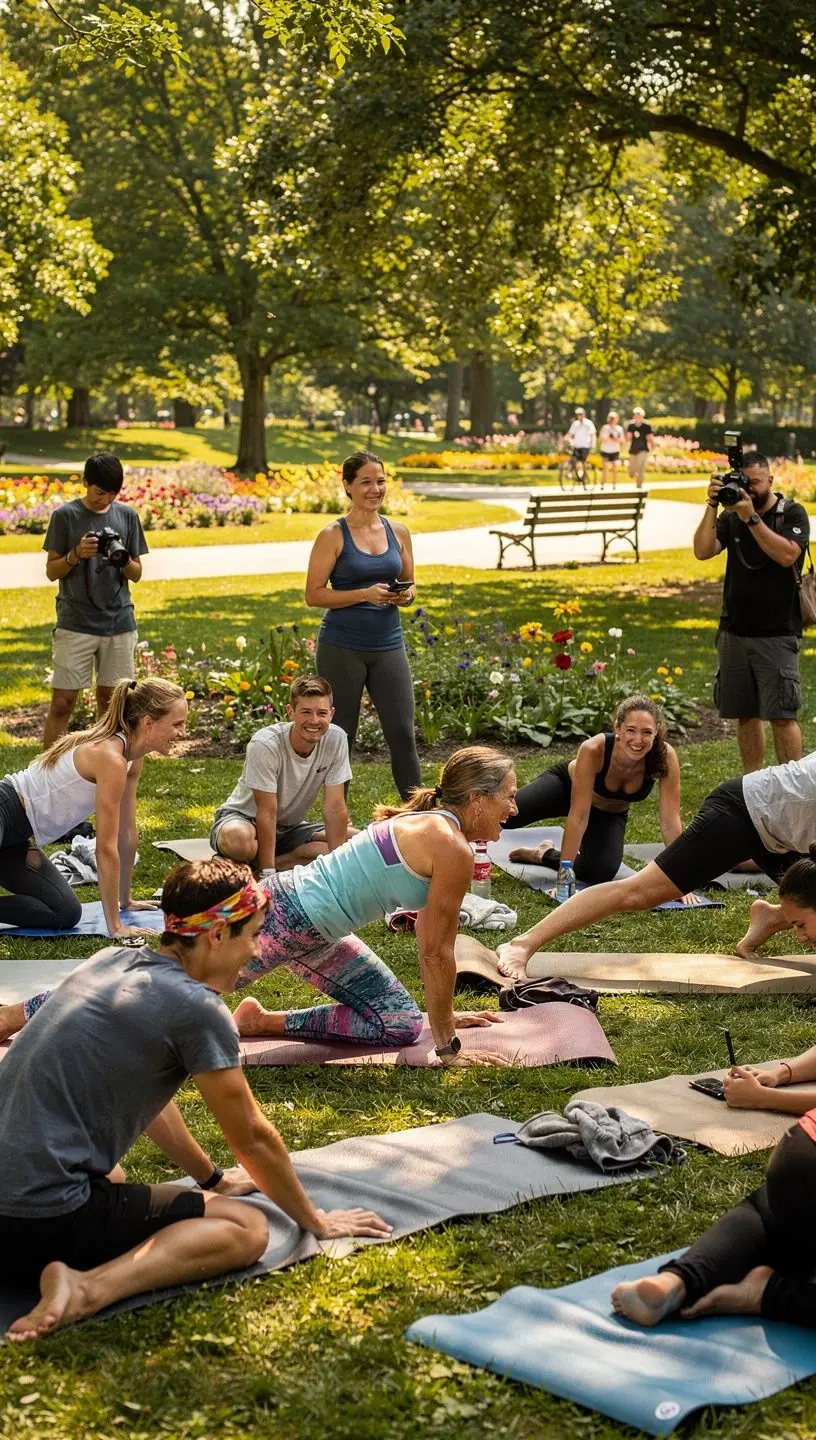
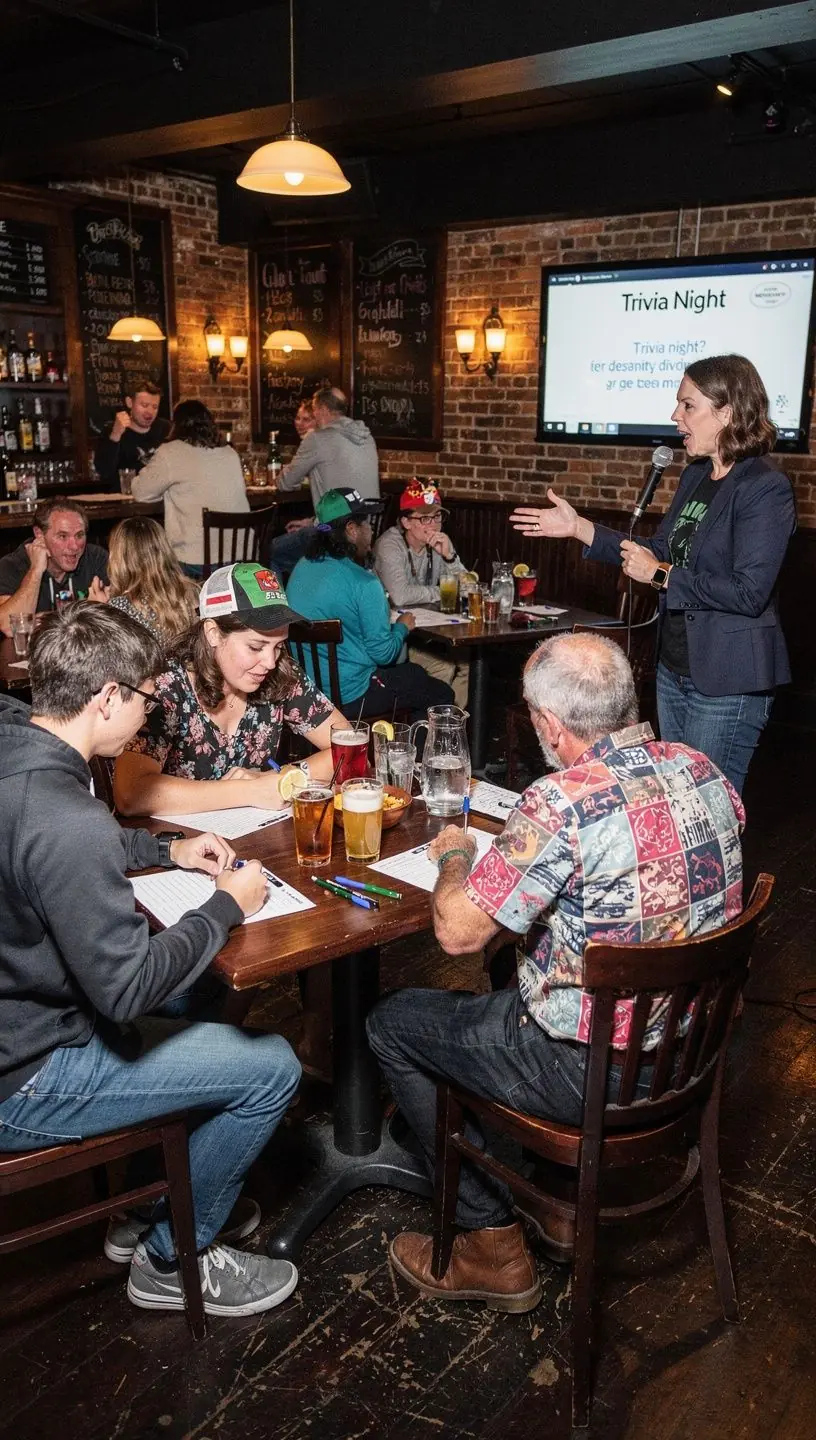
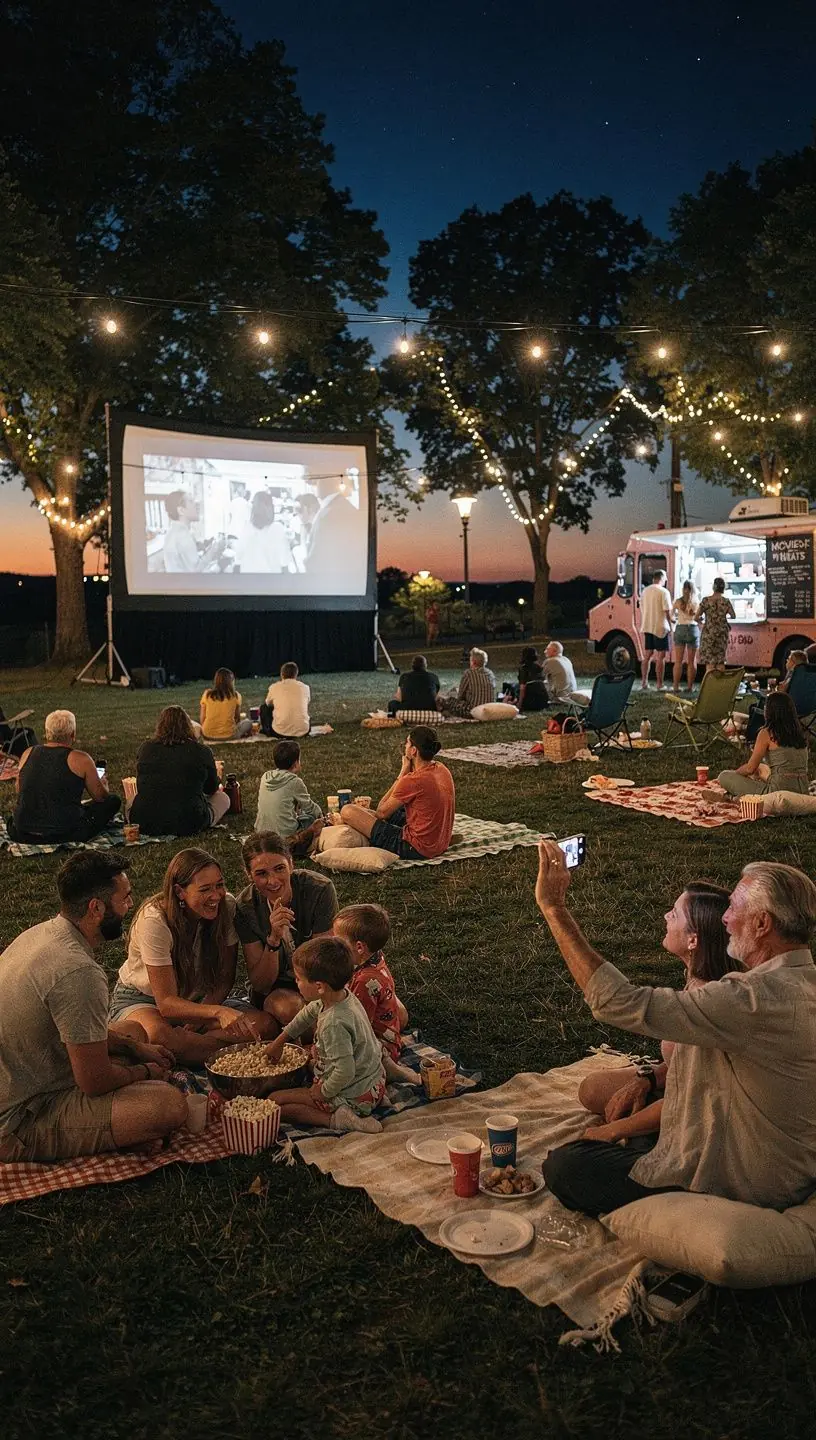
In an increasingly diverse society, creating inclusive spaces for community events is essential. This article explores practical insights and methods to foster inclusivity in organized meetups, games, and performances.
Understanding the Importance of Inclusivity
Inclusivity in community events is not just a trend; it is a necessity for fostering engagement. According to research by the National Conference on Citizenship, inclusive communities build stronger social ties and improved civic engagement. Events that welcome diverse participants typically see a 30% increase in attendance rates and satisfaction levels when organized thoughtfully.
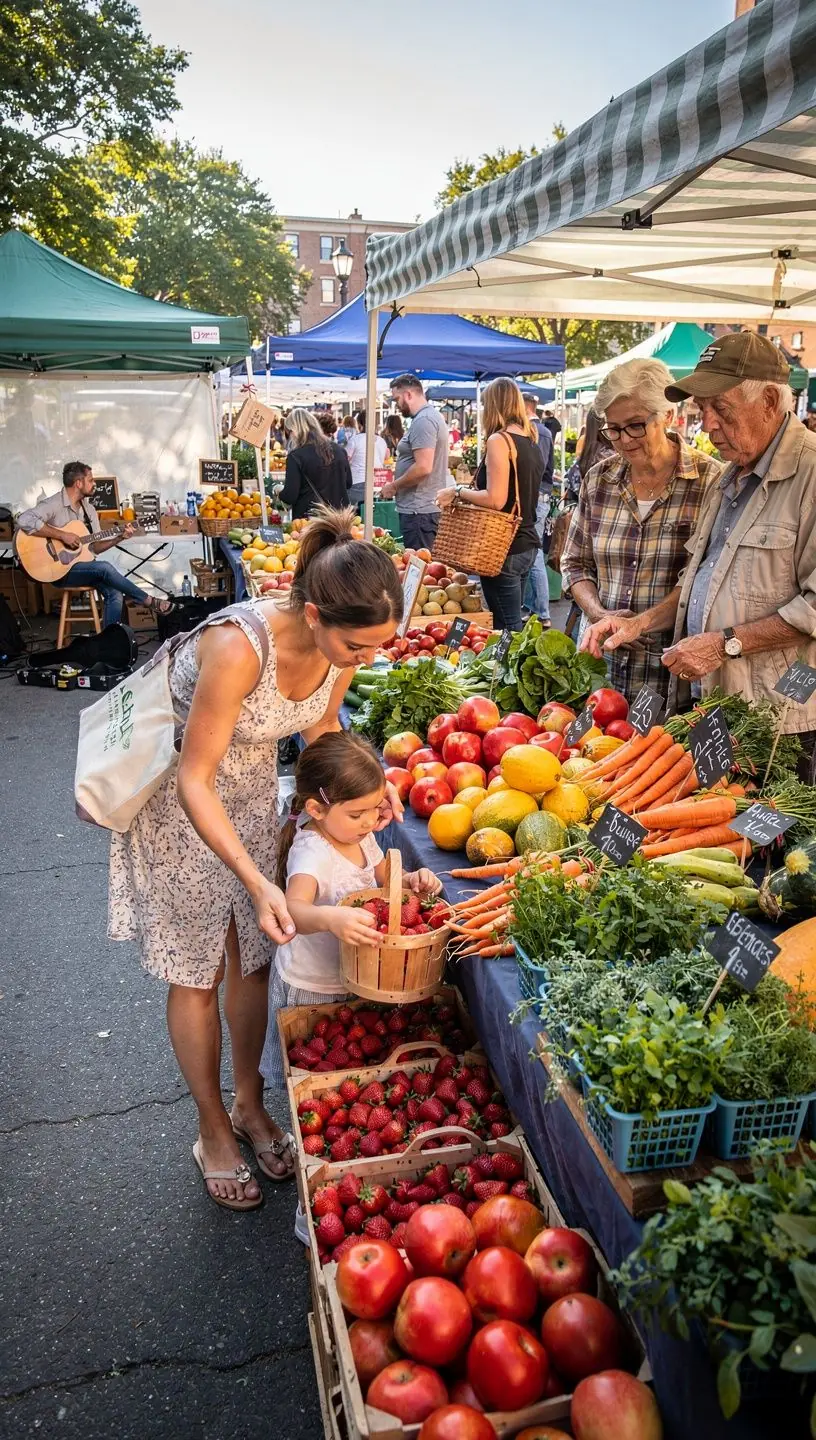
"Creating spaces that promote inclusion can lead to a more vibrant community atmosphere." - Community Development Expert
Strategies for Creating Inclusive Spaces
To effectively foster inclusivity, event organizers can adopt several strategies:
- Engage Diverse Voices: Actively involve individuals from various backgrounds in the planning process. This works because it ensures that the needs and preferences of different groups are acknowledged.
- Accessibility Considerations: Ensure that venues are accessible to people with disabilities. Research indicates that inclusive designs can lead to greater participation rates, with studies suggesting up to 25% more attendees when proper accommodations are made.
- Inclusive Communication: Use language and marketing materials that reflect diversity. This may improve outreach efforts, as many users report feeling more welcomed when they see representation in promotional content.
Best Practices for Event Organizers
Implementing inclusive practices may involve a learning curve but is ultimately rewarding. Here are some best practices to consider:
- Conduct Pre-Event Surveys: Gather feedback from potential participants to understand their needs and expectations. This method is widely regarded as effective in tailoring events to specific audiences.
- Utilize Diverse Platforms: Promote events across various channels to reach different demographics. This approach can help ensure that information is accessible to all community members.
- Provide Support Services: Consider offering interpreters or assistance for individuals who may need extra help. This can foster a more welcoming environment, as many attendees appreciate thoughtful accommodations.
Conclusion
Creating inclusive spaces for community events requires planning, dedication, and a willingness to adapt. Although this process can take time, typically requiring several weeks of preparation, the benefits of a more engaged and diverse community are significant. By implementing these strategies and best practices, event organizers can help ensure that their events are welcoming to all, fostering a sense of belonging among participants.